Most people think a personal brand is about posting often. But consistency is not just about frequency — it’s about voice. Your voice is the thread that ties every post, comment, and interaction back to you.
So what is “voice” on LinkedIn? It’s that recognizable mix of tone, perspective, and style that makes someone scroll past dozens of posts but stop when they see yours. Think of it like your signature. You don’t need to reinvent it every day. You refine it, you repeat it, you reinforce it.
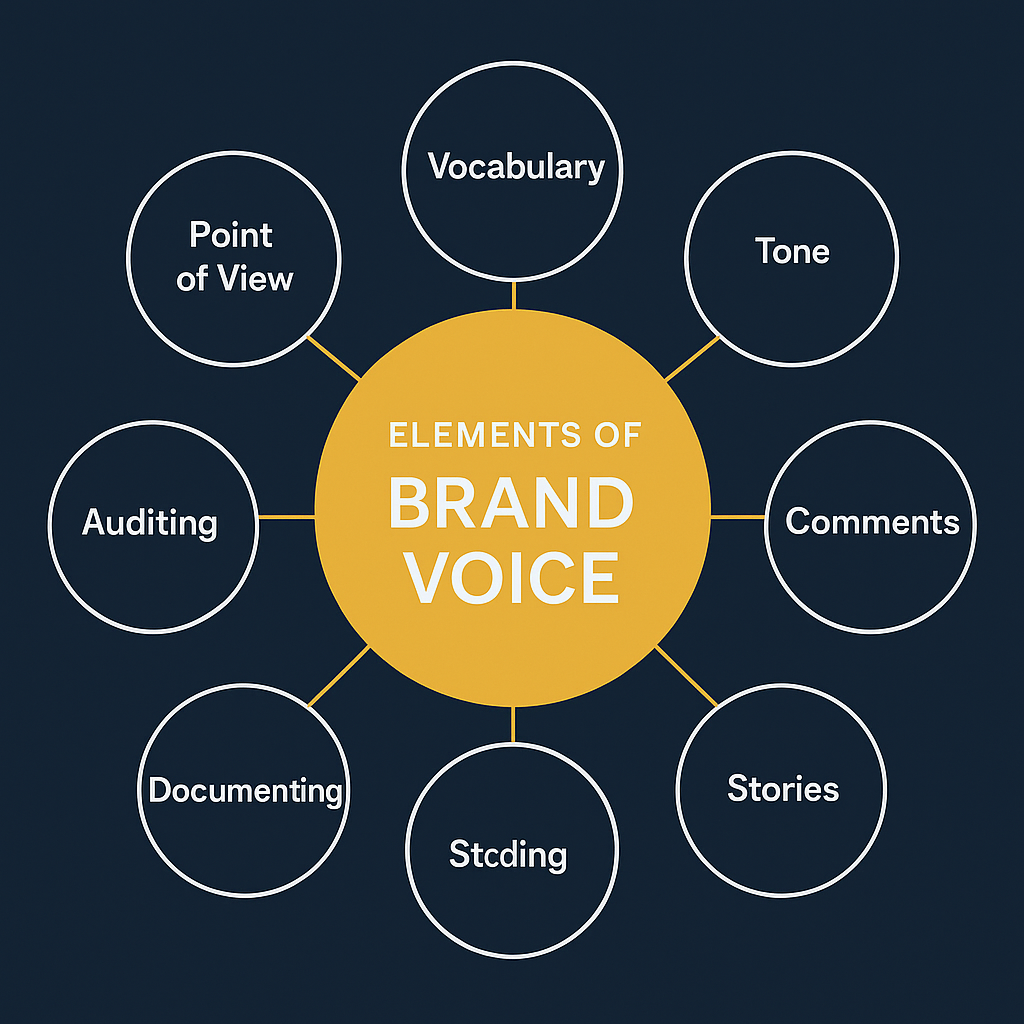
Here’s how to build a consistent voice without sounding robotic:
1. Start with your point of view.
Your POV is the bedrock of your brand voice. What do you believe that others in your industry overlook, disagree with, or underappreciate? Maybe you’re the founder who believes sales should be founder-led. Or the CMO who insists data without context is useless. Anchor your voice in these beliefs — they give your content weight.
2. Pick your vocabulary and stick with it.
Language creates recognition. Are you the kind of person who says “pipeline” or “deal flow”? Do you talk about “playbooks” or “frameworks”? Decide on your lexicon and repeat it. Over time, your audience will begin to associate certain phrases with you. This repetition doesn’t limit you — it reinforces your brand.
3. Match tone to intent.
Your tone is how you deliver your ideas. Do you want to be seen as approachable and conversational, or as a sharp provocateur? Both work — what matters is consistency. If one post is casual storytelling and the next sounds like a corporate press release, your audience won’t know what to expect. A stable tone builds trust.
4. Show up beyond your own posts.
Your brand voice isn’t just what you publish — it’s also how you comment. Thoughtful, on-brand comments on others’ content expand your voice into new circles. If your posts are strategic but your comments are throwaway lines like “great post,” you’re diluting your brand. Treat every interaction as part of your voice.
5. Use stories to humanize.
Facts inform, but stories connect. Whether it’s about your first failed startup pitch, a lesson from a tough client call, or an aha moment while mentoring, stories anchor your voice in real experience. They make your brand relatable, not abstract.
6. Document, don’t constantly reinvent.
A mistake I see often is overthinking every post as a fresh masterpiece. Instead, document the conversations you’re already having — with customers, investors, peers, or your own team. If a theme keeps showing up in your day-to-day, turn it into content. This approach keeps your voice authentic and sustainable.
7. Audit yourself regularly.
Scroll back through your last 20 posts and comments. Would someone who doesn’t know you yet get a clear sense of who you are, what you stand for, and how you think? If not, you’re drifting. A quick self-audit every month ensures you’re aligned with your intended brand voice.
At the end of the day, building a consistent voice on LinkedIn isn’t about being polished. It’s about being predictable in the best way — your audience knows what they’ll get when they engage with you: clarity, perspective, and personality.
Your brand voice is your most scalable asset. It works for you when you’re asleep, when you’re in a meeting, when you’re pitching. And it compounds with every post, every comment, every DM.
So the question isn’t whether you have a voice. You do. The question is: are you shaping it with intention, or leaving it to chance?